

Secure your Bitcoin investments by using hardware wallets and enabling two-factor authentication. Always update your software to protect against vulnerabilities.
In the fast-paced world of cryptocurrency, the security of your investments should take center stage. Bitcoins, albeit digital, are as precious as any tangible asset and necessitate stringent protective measures. The surge in Bitcoin's popularity has unfortunately drawn the attention of cybercriminals, making it imperative for investors to arm themselves with robust security strategies.
Understanding the nuances of securing digital assets is more crucial than ever. This piece serves as a navigational beacon for those looking to fortify their digital treasure against the looming threats of the online realm. We'll embark on a journey that ensures your hard-earned Bitcoin remains under your control, shielding it from unauthorized access and potential theft.
Understanding Bitcoin Investment Risks
Investing in Bitcoin presents a unique set of challenges and risks. Digital currency markets are notoriously volatile, and the decentralized nature of Bitcoin means investors must be savvy about security. Recognizing the potential pitfalls and understanding how to navigate them can be the difference between profit and loss. This section delves into the essential tips for securing your Bitcoin investments by highlighting common vulnerabilities and real-life incidents that underscore the importance of vigilance.
Common Vulnerabilities With Cryptocurrency
Despite the allure of digital currencies, numerous vulnerabilities can compromise the security of your Bitcoin investments. Being aware of these risks is the first step in crafting a robust security strategy:
- Exchange Security: While exchanges are a necessary part of trading Bitcoin, they vary greatly in terms of security measures. It's critical to use exchanges that prioritize security features like two-factor authentication (2FA) and cold storage.
- Phishing Scams: Fraudulent websites and emails seeking to steal login information are becoming increasingly sophisticated. Always verify the legitimacy of any communication claiming to be from your wallet provider or exchange.
- Wallet Vulnerabilities: Both hardware and software wallets can be vulnerable. Hardware wallets may face supply chain attacks, while software wallets can be compromised on malware-infected devices.
- Software Flaws: Software managing your Bitcoin needs regular updates. Outdated software can contain exploitable security flaws.
Beyond these, it's essential to be aware that ultimate control over your Bitcoin lies with the private key. Mismanagement or loss of these keys can result in irrevocable loss of assets. Ensuring your keys are secured and backed up is paramount.
Real-life Incidents Of Bitcoin Losses
The world of cryptocurrency has not been without its share of dramatic losses. These real-life incidents provide sobering reminders of the importance of stringent security measures:
| Incident | Date | Bitcoin Lost | Cause |
|---|---|---|---|
| Mt. Gox Hack | 2014 | Approximately 850,000 BTC | Hacking and mismanagement |
| Bitfinex Breach | 2016 | Around 120,000 BTC | Security breach |
| Coincheck Theft | 2018 | Approximately 523 million NEM tokens | Hacking and insufficient network security |
These incidents highlight the non-trivial risks associated with Bitcoin investing. Some due to external attacks, others boil down to operational incompetence. Learning from these experiences is crucial in adopting practices that prevent repeating such costly mistakes.
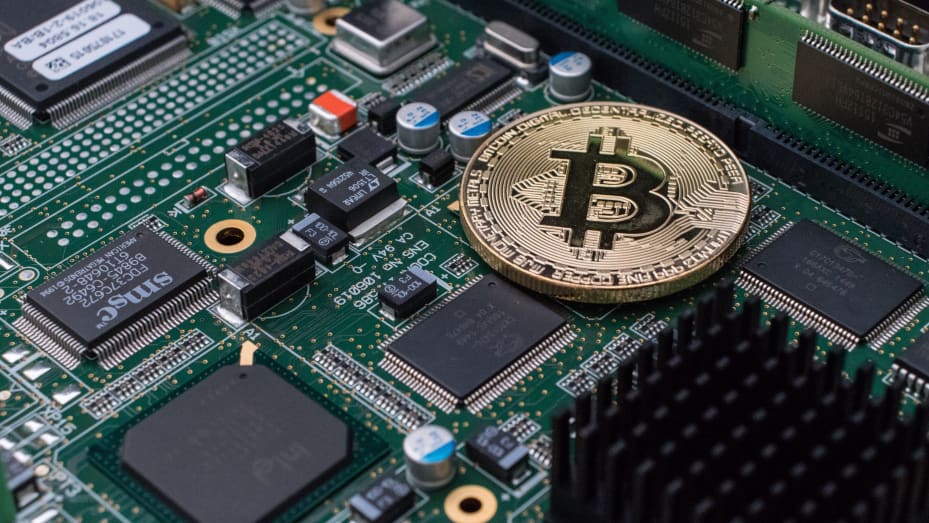
Credit: www.cnbc.com
Implementing Basic Security Measures
Securing your Bitcoin investments begins with implementing basic security measures to protect your digital assets from digital thieves and hackers. Think of it as establishing a first line of defense. Simple steps can significantly increase the safety of your investments, and key among these is the choice of storage and exchange platforms, as well as the use of strong, unique passwords complemented by multi-factor authentication.
Choosing Reputable Wallets And Exchanges
Starting with the foundations of cryptocurrency security, selecting reputable wallets and exchanges is crucial. Your digital currency needs a safe home, just like traditional money requires a secure bank.
- Do Your Research: Look for platforms with a strong track record and positive reviews from reputable sources.
- Licensing and Compliance: Ensure they comply with regulatory standards and have the necessary licensing.
- Security Features: Examine the security measures in place, such as cold storage options, insurance policies, and secure technology stack.
The Role Of Strong, Unique Passwords
Never underestimate the power of strong, unique passwords. These act like intricate keys to your digital safe.
- Variety is Key: Use a mix of numbers, letters, and special characters.
- Unique to Each Account: Avoid using the same password across multiple platforms to reduce risk.
- Password Managers: Consider using reputable password managers to keep track and generate complex passwords.
Benefits Of Multi-factor Authentication
Going a step further, multi-factor authentication provides an additional layer of security, ensuring that you're the only one who can access your account, even if someone else discovers your password.
| Type of Authentication | Benefit |
|---|---|
| Something You Know | Password or PIN |
| Something You Have | Access to a phone or security token |
| Something You Are | Biometric verification like a fingerprint or facial recognition |
Incorporate these security measures diligently, and your Bitcoin investments will be shielded by a robust protection system, letting you invest with peace of mind.
Enhancing Crypto Wallet Protection
As digital currencies like Bitcoin continue to surge in popularity, so does the importance of safeguarding your crypto assets. Understanding and enhancing your crypto wallet's protection is vital to prevent unwanted access and potential loss of investment. Whether you're a seasoned trader or just starting out, these tips will bolster your Bitcoin security and give you peace of mind.
Cold Vs. Hot Wallets – Which Is Safer?
Cold and hot wallets serve as the guardians of your Bitcoin, but they operate quite differently. Hot wallets are connected to the internet, offering convenience but leaving the door ajar for online threats. Cold wallets, on the other hand, store your cryptocurrency offline, shielding them from cyber-attacks. Each wallet type comes with its own set of pros and cons:
| Type | Pros | Cons | Safety Rating |
|---|---|---|---|
| Hot Wallets | Accessibility, Quick transactions | Vulnerable to online hacks | Medium |
| Cold Wallets | Increased security, Offline storage | Less convenient for frequent trading | High |
For optimal protection, consider combining both wallet types - use a hot wallet for daily transactions and a cold wallet for long-term holding.
Backup Strategies For Wallet Recovery
Losing access to a crypto wallet means losing your Bitcoin investment. Implementing a solid backup strategy is crucial for wallet recovery:
- Write down your recovery phrases and store them in a secure location.
- Use durable materials like metal for storing recovery phrases to prevent damage.
- Multiple backups can safeguard against loss due to fire, theft, or other disasters.
Remember, your recovery phrase is the only way to restore your wallet in the event of device failure or loss.
Using Hardware Wallets For Extra Security
A hardware wallet is a physical device that stores your private keys offline. It is immune to computer viruses and malware that typically threaten software-based wallets. Here's why you should consider one:
- Complete isolation from online threats.
- Simple to use with an extra layer of security through a PIN code or a passphrase.
- Portable and can be used across various computers with standard USB ports.
Indeed, hardware wallets represent a worthy investment for those serious about securing their Bitcoin assets. Brands like Trezor or Ledger are renowned for their reliability and robust security features.
Safe Transaction Practices For Bitcoin
Ensuring the security of Bitcoin investments during transactions can be as crucial as the investment moves you make. The following sections guide you through several secure practices to protect your digital assets effectively during transfers.
Tips For Securing Your Bitcoin Investments During Transfers
Every Bitcoin transfer is a potential risk if not handled properly. Here are steps to make sure your transfers remain secure:
- Use reputable wallets: Opt for wallets with a robust security track record.
- Double-check addresses: Always verify that the recipient's address is correct.
- Confirm transaction details: Before sending, review the transaction details, including fees.
- Use secure networks: Never make transactions over public or unsecured Wi-Fi networks.
- Small test transaction: Send a small amount as a test before transferring large sums.
Recognizing And Avoiding Phishing Scams
Phishing scams are a significant threat to Bitcoin security. They often come in the form of fake websites or emails. Protect yourself by:
- Verifying sources: Ensure emails and websites belong to authentic companies.
- Using hardware wallets: They offer an extra layer of security against online scams.
- Never sharing private keys: Your private keys are for your eyes only—never disclose them.
- Updating software: Keep all software updated to protect against known vulnerabilities.
Importance Of Secure Internet Connections
When dealing with Bitcoin transactions, an unsecure internet connection can expose you to numerous risks:
- Use VPNs: A reliable VPN encrypts your internet connection, safeguarding your data from hackers.
- Avoid public Wi-Fi: Conduct transactions only over a secure, private network.
- Enable SSL connections: If visiting web-based wallets, ensure the URL starts with "https://".
- Regular network checks: Run periodic audits on your home network for unauthorised access points.
Adopting these measures significantly increases the security of your Bitcoin investments during every transaction. Remember, the key to a secure Bitcoin portfolio lies in your transaction practices.
Safeguard Your Crypto Wealth Smartly
The digital age has ushered in an era of borderless finance where Bitcoin and other cryptocurrencies reign supreme. As these revolutionary assets redefine wealth storage, it becomes paramount to ensure that your crypto investments are protected against the myriad of online threats. Smartly safeguarding your digital treasure can mean the difference between a cybercriminal's payday and your peace of mind. Leverage these essential tips to shield your Bitcoin investments from potential harm.
Regularly Updating Software And Wallet Applications
Maintaining the latest versions of all crypto-related software is crucial for your investment's safety. Developers constantly enhance the security features of their applications to guard against new vulnerabilities. By regularly updating your wallet and other related software, you build a robust defense against cyber-attacks.
- Enable auto-updates where available
- Subscribe to update notifications from software providers
- Conduct periodic checks for the latest software versions
Educating Oneself On The Latest Security Trends
Knowledge is power, especially in the fast-evolving landscape of cryptocurrency. Stay one step ahead of malicious actors by educating yourself on the latest security trends and best practices. This not only prepares you to react to threats but also enables you to proactively secure your investments.
- Follow reputable crypto security experts on social media
- Participate in online crypto communities for shared knowledge and experiences
- Attend webinars and read publications focusing on cryptocurrency security
Considering Insurance Options For Cryptocurrencies
In the untamed world of digital finance, considering insurance for your cryptocurrencies can offer a safety net. With the advent of specialized insurance products for digital assets, you can now safeguard your investment from theft, hacks, and other losses. Diligently compare and evaluate available insurance options to find the right coverage.
| Insurance Feature | Benefit |
|---|---|
| Custodial Theft Coverage | Protects against losses from security breaches in exchanges or wallets where assets are stored |
| Smart Contract Coverage | Offers a safety net against vulnerabilities in smart contracts |
| Key Loss Coverage | Reimburses investors in case private keys are lost due to various scenarios |
Diversification And Risk Management
Investing in Bitcoin demands a strategic approach to safeguard your assets against the unpredictable nature of the cryptocurrency market. Understanding the principles of diversification and risk management is crucial in constructing a resilient investment portfolio. This section delves into practical tips for distributing your investments wisely, providing insight into the long-term versus short-term holding debate, and emphasizing the importance of continuous evaluation of your investment strategy.
The Strategy Of Spreading Investment
Diversification, the process of allocating investments across different financial assets, helps mitigate risk within your cryptocurrency portfolio. Instead of putting all your eggs in one basket, consider spreading your capital among various digital assets. Not all cryptocurrencies will react the same way to market changes, thus creating a buffer should any particular asset face a downturn.
- Research thoroughly before investing in different coins or tokens.
- Allocate your investments based on market cap and potential for growth.
- Consider including other asset classes, such as stocks or bonds, to further diversify.
Long-term Vs. Short-term Holding Considerations
Time frame plays a pivotal role in crypto investments. Deciding whether to be a long-term holder (HODLer) or a short-term trader will influence how you manage your Bitcoin portfolio.
| Long-term Holding | Short-term Trading |
|---|---|
| Driven by fundamental belief in Bitcoin's future | Focus on short-term price movements and technical analysis |
| Less time-intensive, fewer transactions | Requires constant market monitoring and quick decision-making |
| Reduced impact of short-term volatility | Potentially higher taxes from frequent trading |
Align your investment strategy with your personal financial goals and risk tolerance. Take into account the tax implications and transaction costs associated with the frequency of your trades.
Monitoring And Reassessing Your Investment Strategy
Effective risk management involves regular assessment of your Bitcoin investment strategy. Market conditions evolve, new data emerges, and your personal circumstances can change, which should all influence your investment choices.
- Set regular intervals for reviewing your portfolio performance.
- Stay informed about market trends and global economic factors.
- Be prepared to adapt your strategy if significant shifts in the cryptocurrency landscape occur.
Remember, an informed investor is a secure investor. Use tools and analytics to make data-driven decisions and keep your Bitcoin investments as safe as possible.
Frequently Asked Questions Of "tips For Securing Your Bitcoin Investments"
How To Keep Bitcoin Investments Safe?
To ensure the safety of Bitcoin investments, use a hardware wallet. Hardware wallets store private keys offline, away from potential online threats. Additionally, use strong, unique passwords and enable two-factor authentication for an extra layer of security.
What Are The Best Bitcoin Security Practices?
Best practices include using multi-signature addresses to require multiple keys for transactions. Regularly update software to patch vulnerabilities. Keep a minimal amount of Bitcoin in hot wallets and majority in cold storage.
Can Bitcoin Transactions Be Reversed?
No, Bitcoin transactions are irreversible. Once confirmed, a transaction cannot be undone. This underscores the importance of double-checking addresses before sending and only transacting with trusted parties.
Why Is It Important To Backup Bitcoin Wallet?
Backing up your Bitcoin wallet protects against hardware or software failures. Keep multiple backups in different secure locations. Without a backup, losing access to a wallet means the Bitcoin it contains could be lost forever.
Conclusion
Securing your Bitcoin investments is vital in maintaining your digital wealth. By implementing the strategies outlined, you can guard against theft and loss. Remember, vigilance and ongoing education are your best defenses. Stay updated, stay secure, and watch your cryptocurrency investments grow with confidence.
0 Comments